Skip to the page
Spiral, Fern & Honeycomb

Every pattern is a short rule played long.

Spiral, Fern & Honeycomb

Every pattern is a short rule played long.

Why a honeycomb has six sides, why some treetops stop short of touching, how a zebra’s stripes and a mudflat’s cracks could form: each pattern here is regrown from the shortest rule that draws it, with the settings printed so anyone can run it again, and each says how far the evidence goes, from a model that can draw the pattern to a known cause.

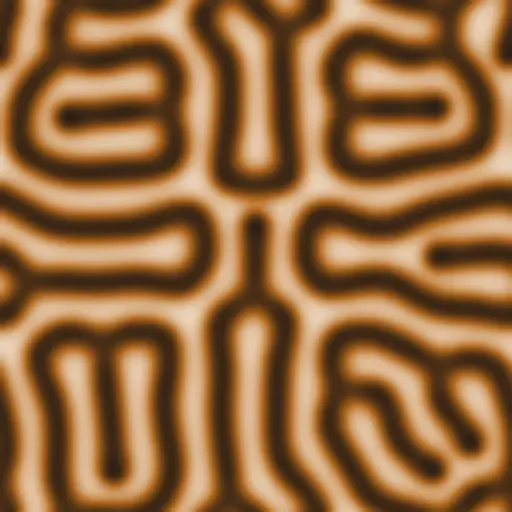
Two chemicals reacting and spreading in a model, 20,000 steps from a small square: Stripes, site-chosen point. Try it in the simulator

Recipe F=0.054, k=0.063, Du=2e-5, Dv=1e-5, dt=1, grid=128, steps=20000, seed=1993

"Gray–Scott model presets: start, step 3,000 and step 20,000" by Spiral, Fern & Honeycomb, https://spiralfernandhoneycomb.com/stripes-and-spots/turing-patterns/, licensed under CC BY 4.0 (https://creativecommons.org/licenses/by/4.0/).

Five anchor patterns

The pages the rest of the site leans on: one for each family, and the honeycomb the site is named for.

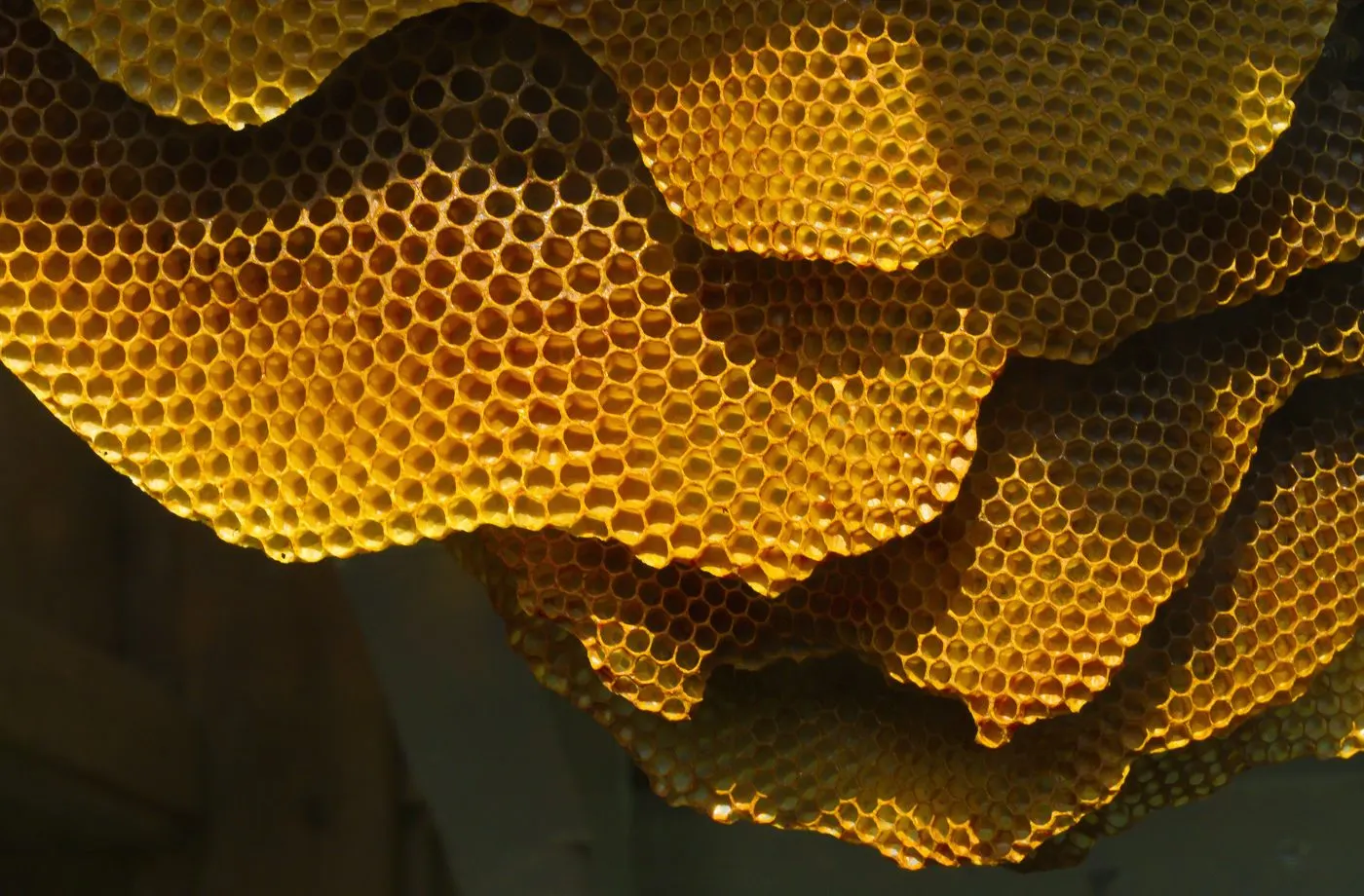
Honeycomb: several sheets of empty wax comb hanging in layers, each face a field of six-sided cells in offset rows

Why Are Honeycombs Hexagonal? Likely Six Equal Neighbors

Combs & Cases ·

Why are honeycombs hexagonal? Most likely because bees build equal cells with six neighbors; tests on warm wax weigh against the idea that it flows into shape.

Picture credit

"Honey Comb Structure" by Gavin Mackintosh from South Molton, United Kingdom — https://commons.wikimedia.org/wiki/File:Honeycomb_structure_(6248780733).jpg — CC BY 2.0 (https://creativecommons.org/licenses/by/2.0/); modified: downscaled from 5066 x 3330 to 1400 x 920 pixels
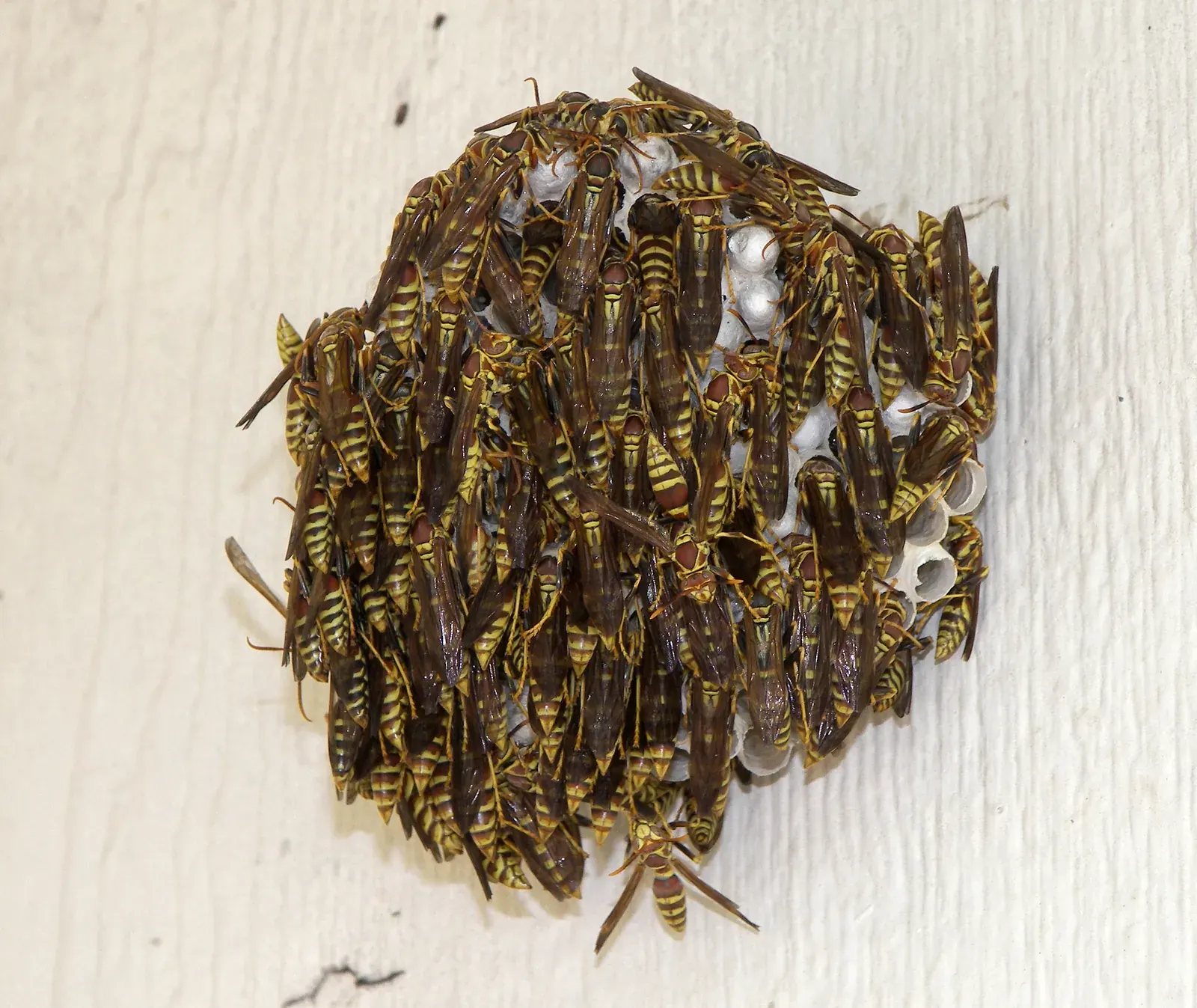
Paper wasp comb: a Polistes exclamans nest on a pale wall, crowded with adult wasps, a few paper cells showing

Paper Wasp Nest: One Study Found Order Only Over Short Range

Combs & Cases ·

Picture credit

"Polistes exclamans nest" by Larry D. Moore — https://commons.wikimedia.org/wiki/File:Polistes_exclamans_nest.jpg — CC BY 4.0 (https://creativecommons.org/licenses/by/4.0/); modified: resized to 1600 px wide and saved as WebP

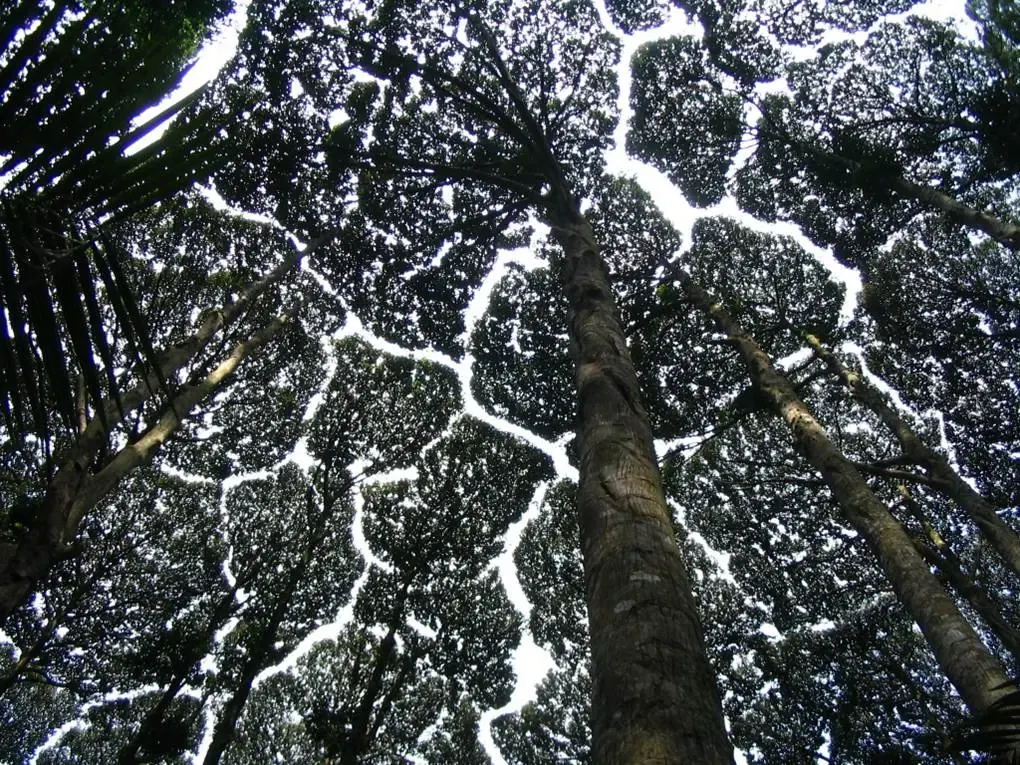
Crown shyness in Dryobalanops aromatica, seen from below: tree crowns separated by a network of narrow, pale gaps of sky

Crown Shyness: Swaying Branches May Wear the Gaps Open

Branching ·

Picture credit

"Dryobalanops aromatica canopy" by Patrice78500 — https://commons.wikimedia.org/wiki/File:Dryobalanops_Aromatica_canopy.jpg — Public domain (released into the public domain worldwide, including the US and the EU, by the copyright holder, Patrice78500 (PD-self on the file page); no term of protection relied on); modified: saved as WebP at the original 1,020 x 765 pixels

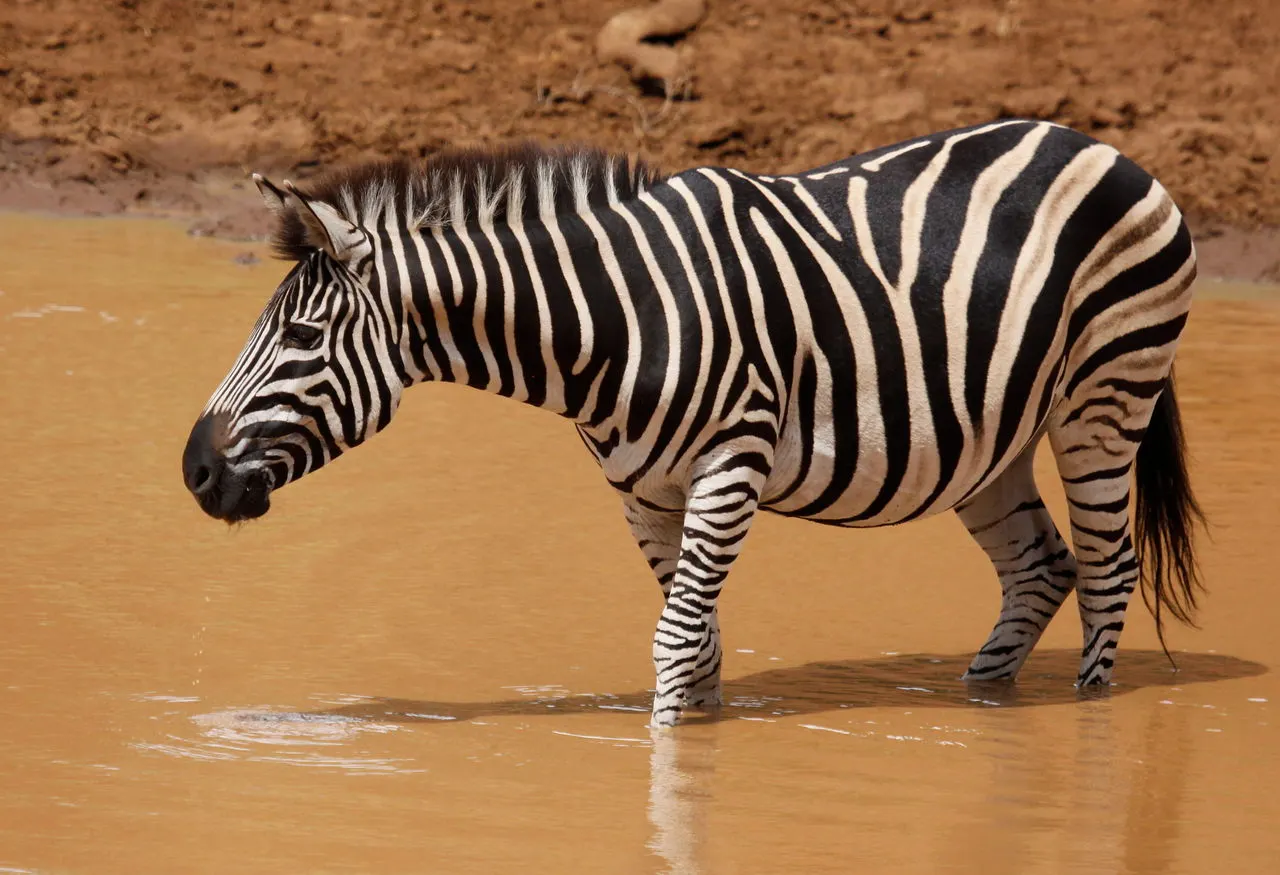
Stripes on a plains zebra, Equus quagga, wading at Pilanesberg; leg stripes are narrower and closer than flank stripes

Why Do Zebras Have Stripes? The Ideas Have Unequal Evidence

Stripes & Spots ·

Picture credit

"Plains zebra (common zebra or Burchell's zebra), Equus quagga at Pilanesberg National Park, Northwest Province, South Africa" by Derek Keats from Johannesburg, South Africa — https://commons.wikimedia.org/wiki/File:Plains_zebra_(common_zebra_or_Burchell%27s_zebra),_Equus_quagga_at_Pilanesberg_National_Park,_Northwest_Province,_South_Africa_(16906289242).jpg — CC BY 2.0 (https://creativecommons.org/licenses/by/2.0/)

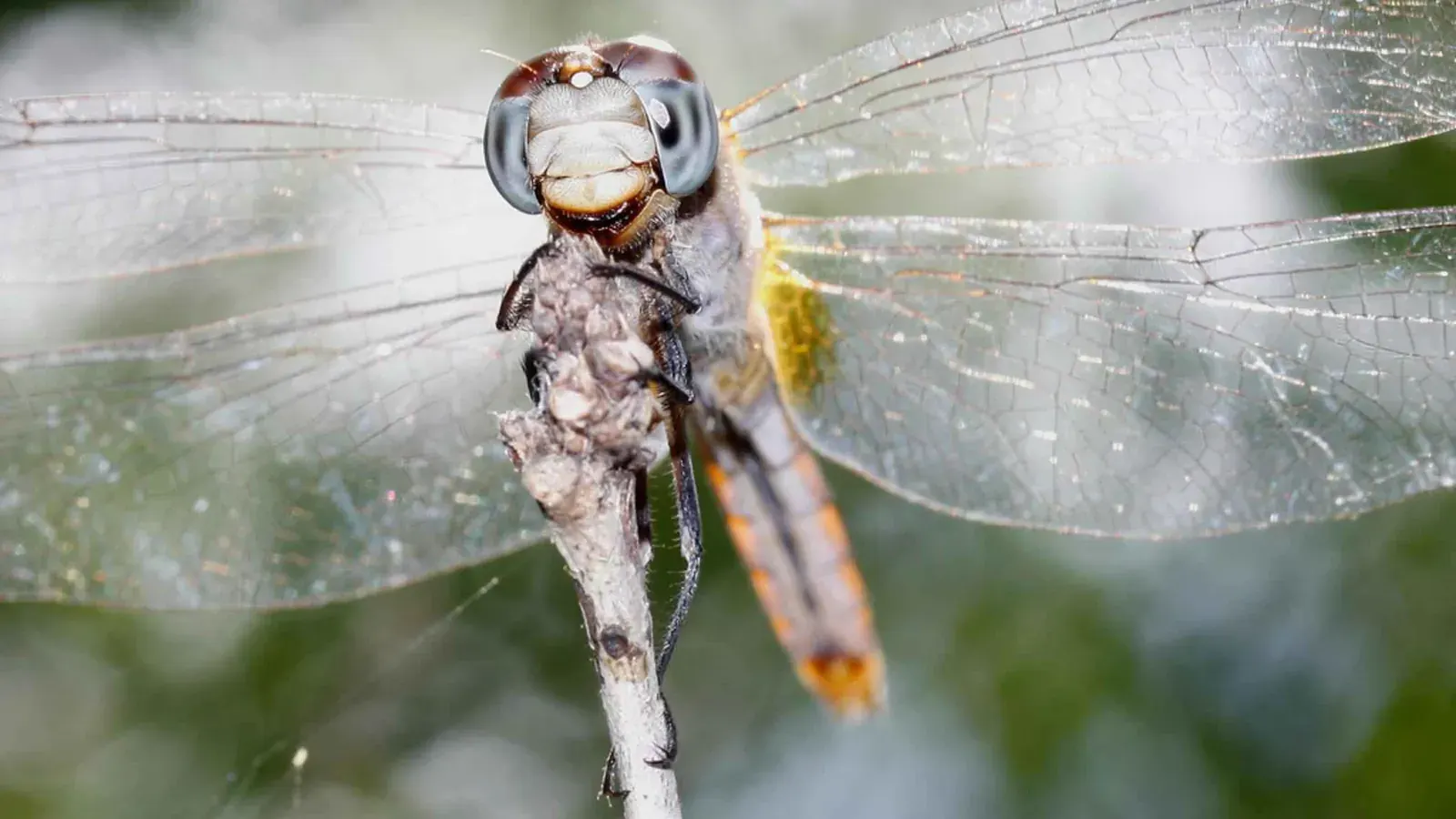
Dragonfly seen head-on on a twig, its four clear wings spread wide and divided by fine veins into many small cells

Voronoi Diagram: Nothing in the Rule Asks for Hexagons

Tiles, Cracks & Foams ·

Picture credit

"Dragonfly close up macro photo" by U.S. Fish and Wildlife Service — https://commons.wikimedia.org/wiki/File:Dragonfly_close_up_macro_photo.jpg — Public domain (Work of a U.S. Fish and Wildlife Service employee made as part of official duties; public domain in the United States under 17 U.S.C. §105; outside the United States the Commons PD-USGov-FWS template is the only basis given; upstream not traced (the file page cites a stock-image site as its source)); modified: cropped to remove the inset thumbnail at top left (the top 160 px strip of the 2,048 x 1,312 original), scaled to 1600 x 900 and saved as WebP; no color change

New patterns

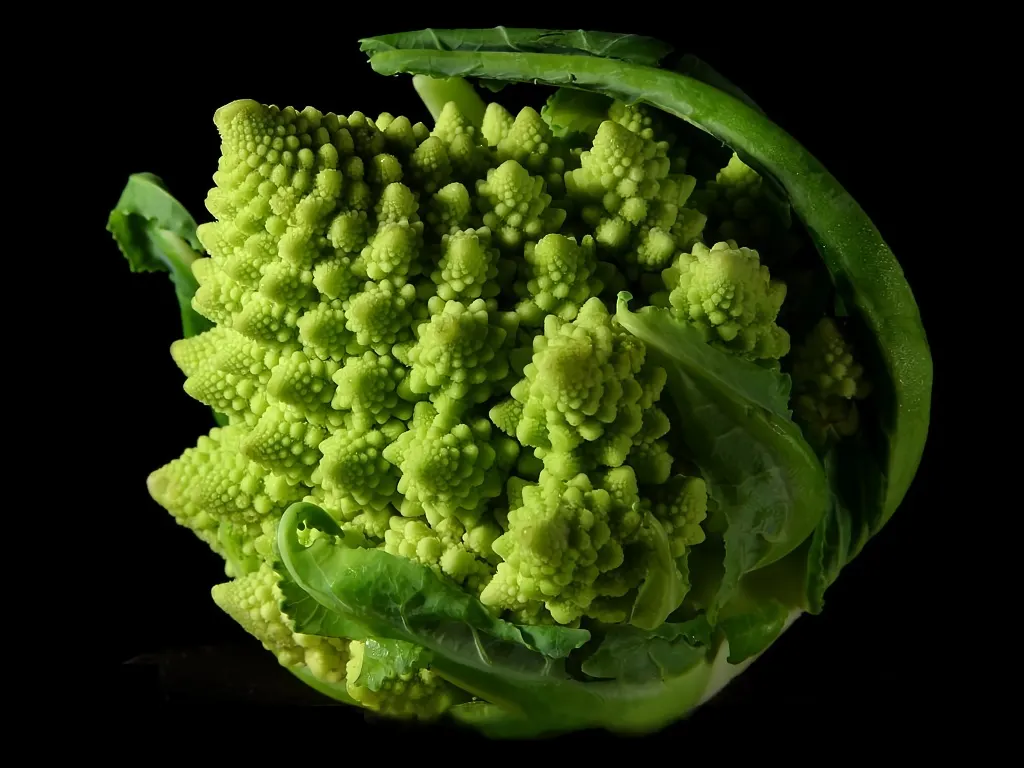
Romanesco head: pointed green cones, each covered in smaller cones and buds, leaves around the curd

Romanesco Broccoli: Three Levels of Cones on Two Photos

Branching ·

Pattern
Self-similar cones: each cone on a Romanesco head carries smaller cones, which carry buds
Made by
growth: unresolved
Picture credit

"Fractal Broccoli" by Jon Sullivan (PD Photo.org) — https://commons.wikimedia.org/wiki/File:Fractal_Broccoli.jpg — Public domain (author's own public domain release (PD-author tag on the file page): in the US, released into the public domain by the author and copyright holder Jon Sullivan; in the EU and other countries, the same release applies worldwide, and where that is not legally possible the author grants anyone the right to use the work for any purpose without conditions; the quoted source page adds a CC0 designation for non-US use); modified: background behind the table replaced to remove a basket by Commons user David.Monniaux (retouched upstream, according to the file page); not altered here

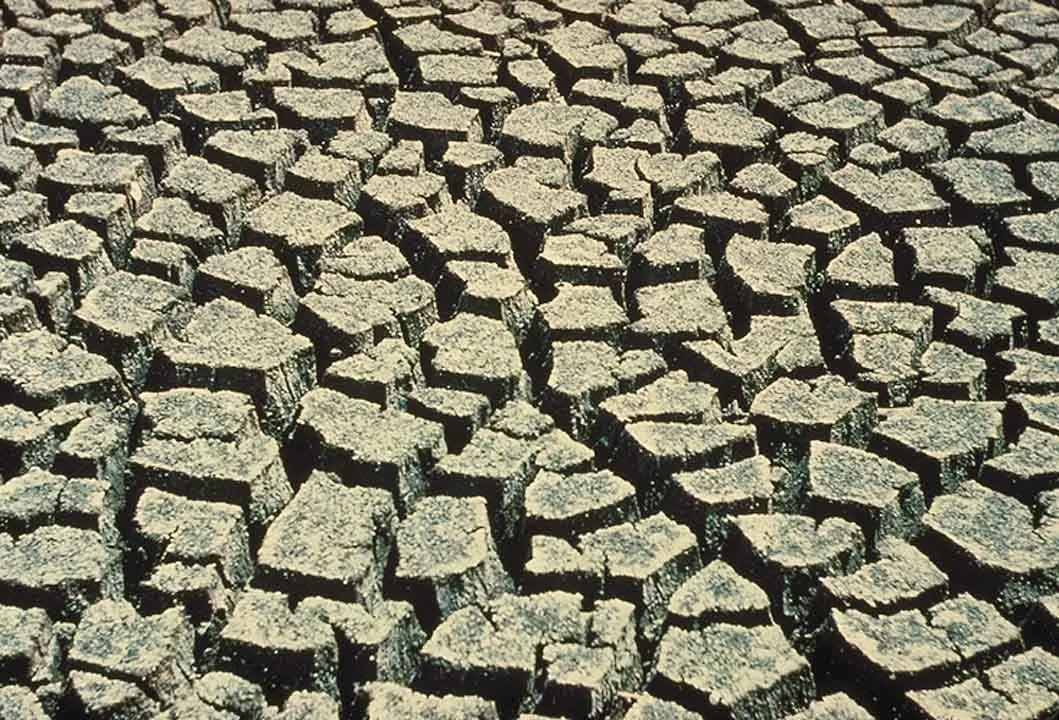
Dried mud split into thick, many-sided slabs, with dark, deep cracks between them

Mud Cracks: In Lab Clay Dried Again, T Joints Drift Toward Y

Tiles, Cracks & Foams ·

Pattern
First cracks tend to meet older cracks at right angles (T joints); in laboratory clay wetted and dried again and again, the joints drift toward three-way Y joints near 120 degrees
Made by
growth: established (Goehring 2013 [full text])
Picture credit

"Dry Mud, NPSPhoto" by Everglades NPS from Homestead, Florida, United States — https://commons.wikimedia.org/wiki/File:Dry_Mud,_NPSPhoto_(9257940252).jpg — Public domain (Work of a National Park Service employee made as part of official duties; public domain in the United States under 17 U.S.C. §105; outside the United States the Commons PD-USGov-NPS template is the only basis given; upstream not traced)

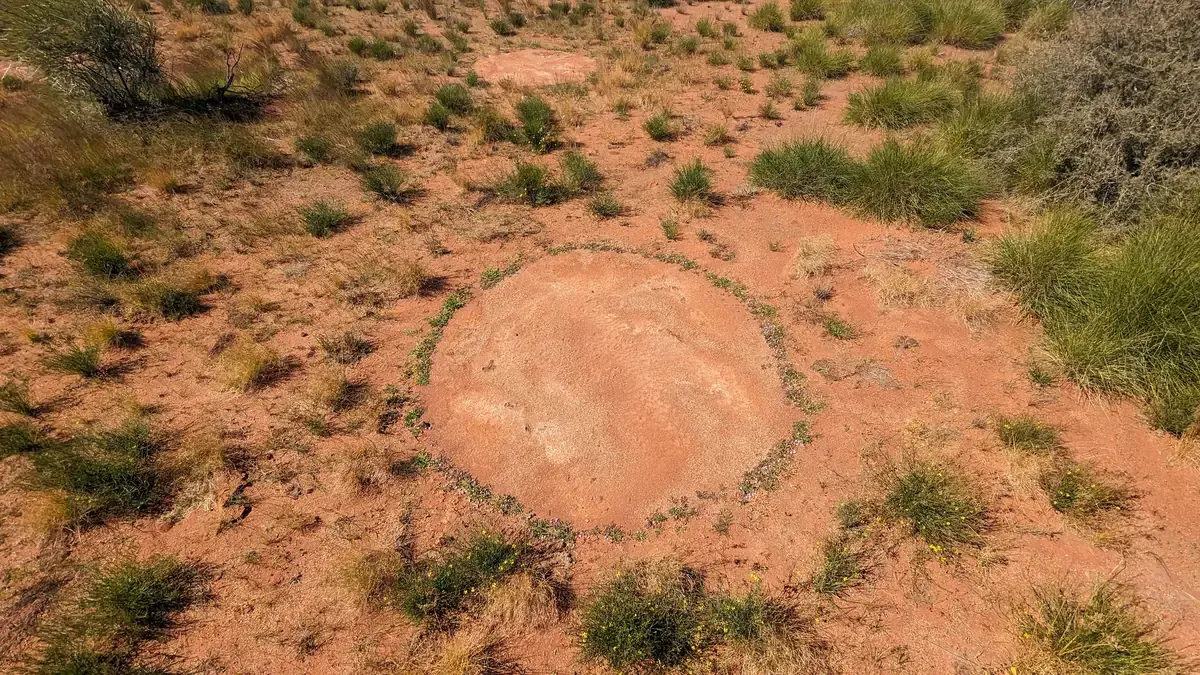
Fairy circle in Australia: a bare, round patch of red soil edged by small plants amid tussocks, Newhaven Wildlife Sanctuary

Fairy Circles: Grass Competition Leads in the Studies Read

Stripes & Spots ·

Pattern
Bare, roughly round patches about 2 to 12 m across, evenly spaced in sparse grass
Made by
growth: candidate (grass competing for water; Getzin and coauthors, Cramer and Barger, Tschinkel [full text]) · behavior: unresolved (sand termites in the Namib, Juergens paper [bibliographic]; harvester termites in Australia, Walsh letter [full text])
Picture credit

"Fairy circles, Newhaven Wildlife Sanctuary" by B 897 — https://commons.wikimedia.org/wiki/File:Fairy_circles,_Newhaven_Wildlife_Sanctuary.jpg — CC0 1.0 (https://creativecommons.org/publicdomain/zero/1.0/); modified: resized to 1200 px on the long edge and saved as WebP

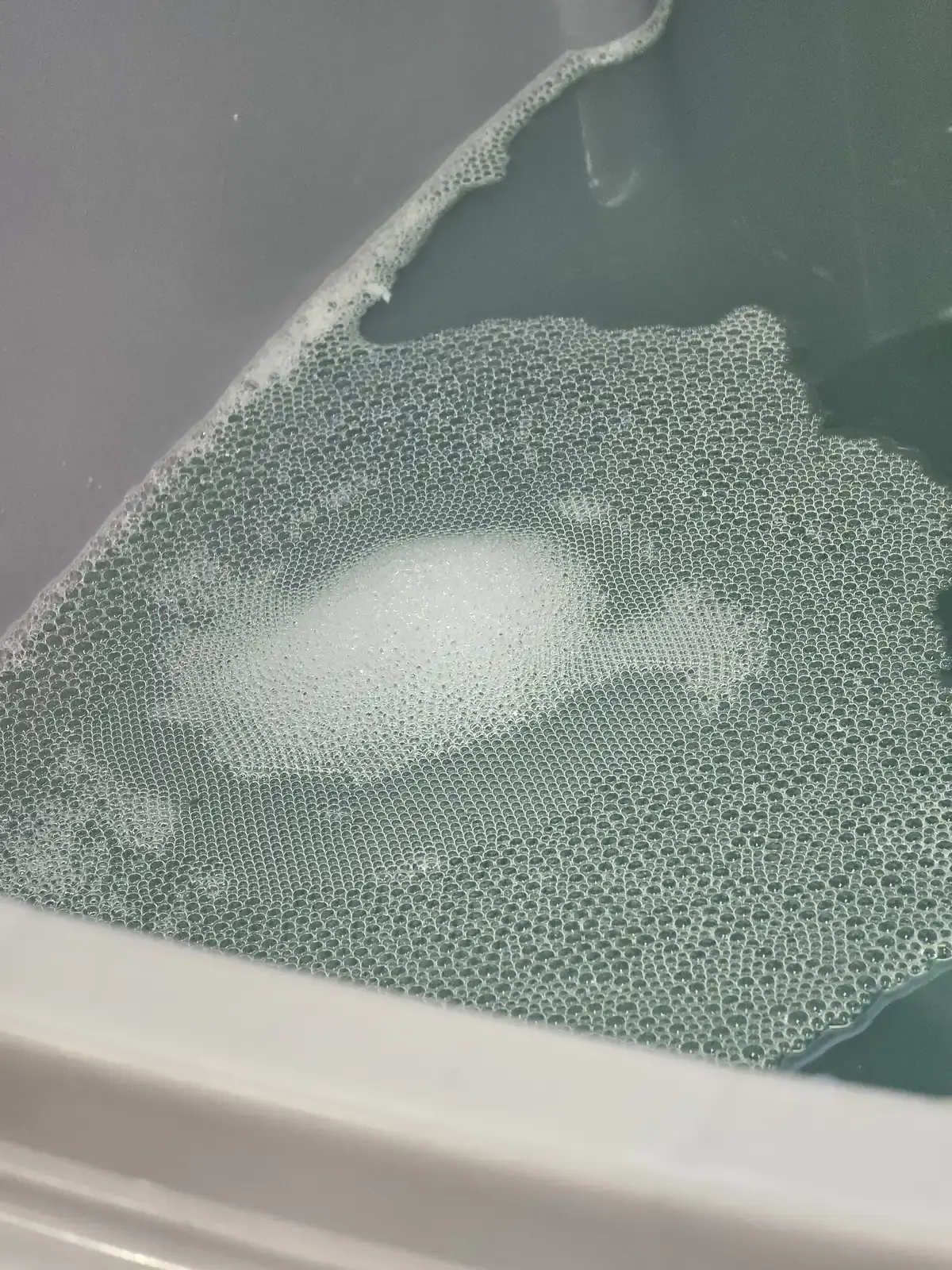
A raft of small soap bubbles floating on wash water in a plastic basin, packed edge to edge

Soap Film: In Stable Dry Foam, Walls Meet in Threes at 120°

Tiles, Cracks & Foams ·

Pattern
In a stable dry foam, soap films meet three to an edge at 120 degrees, and edges meet four to a point at about 109.47 degrees
Made by
packing: established (Plateau 1873 [full text])
Picture credit

"Bubbles forming a geometric pattern" by TheresNothingOutThere — https://commons.wikimedia.org/wiki/File:Bubbles_forming_a_geometric_pattern.jpg — CC BY 4.0 (https://creativecommons.org/licenses/by/4.0/); modified: rotated upright by the camera's orientation tag, scaled down to 1200 x 1600 pixels and saved as WebP (quality 55, to keep the web copies under 250,000 bytes)

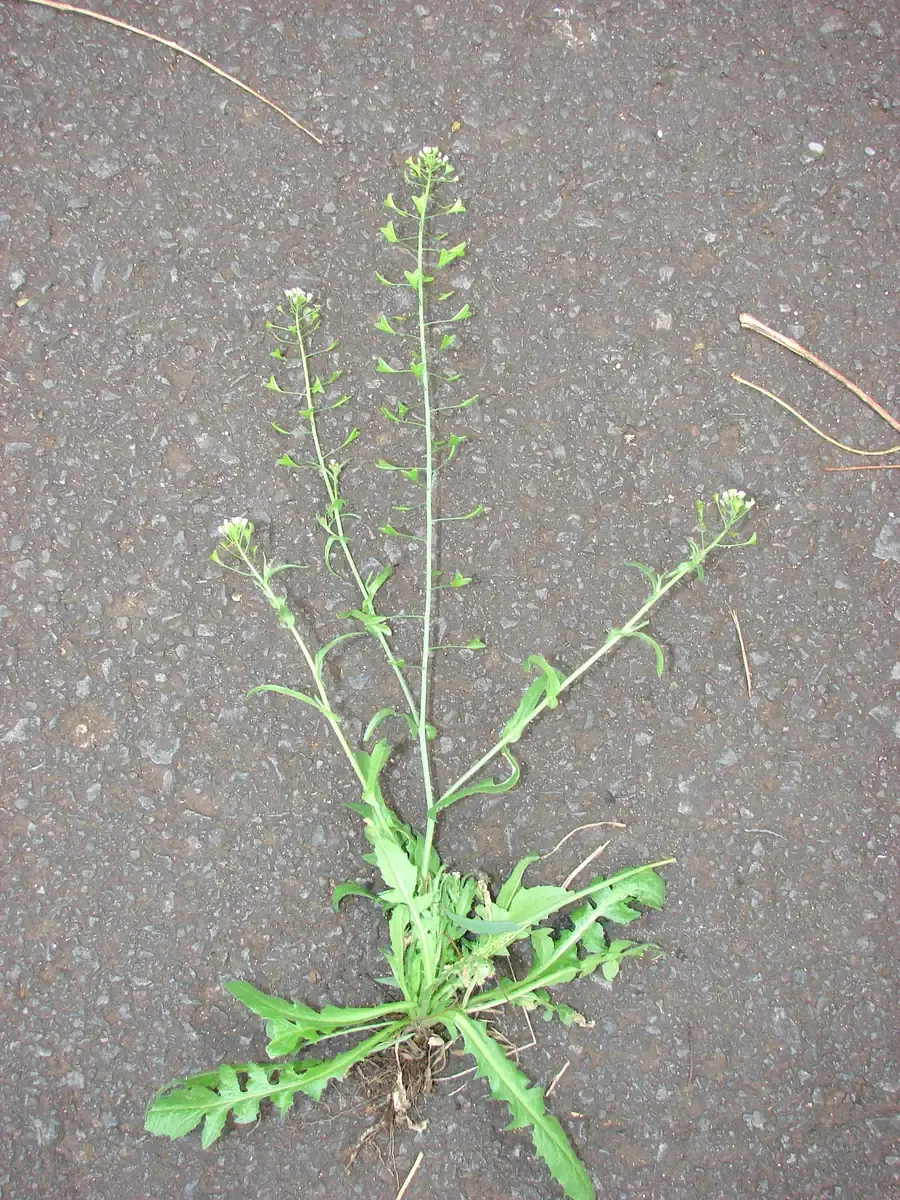
Branching weed on asphalt: thin flowering stems rise from a leaf rosette; Capsella bursa-pastoris per the file page

L-System Plants: One Rewrite Rule Draws a Branching Weed

Branching ·

Pattern
A branching weed drawn from one rewrite rule: each line becomes five lines with one side branch to the left and one to the right, step after step
Made by
branching: simulation-only (the rule draws a weed-like shape; a real plant is not shown to grow from a string)
Picture credit

"Starr 070308-5329 Capsella bursa-pastoris" by Forest & Kim Starr — https://commons.wikimedia.org/wiki/File:Starr_070308-5329_Capsella_bursa-pastoris.jpg — CC BY 3.0 (https://creativecommons.org/licenses/by/3.0/); modified: resized from 2,112 x 2,816 to 900 x 1,200 pixels and saved as WebP

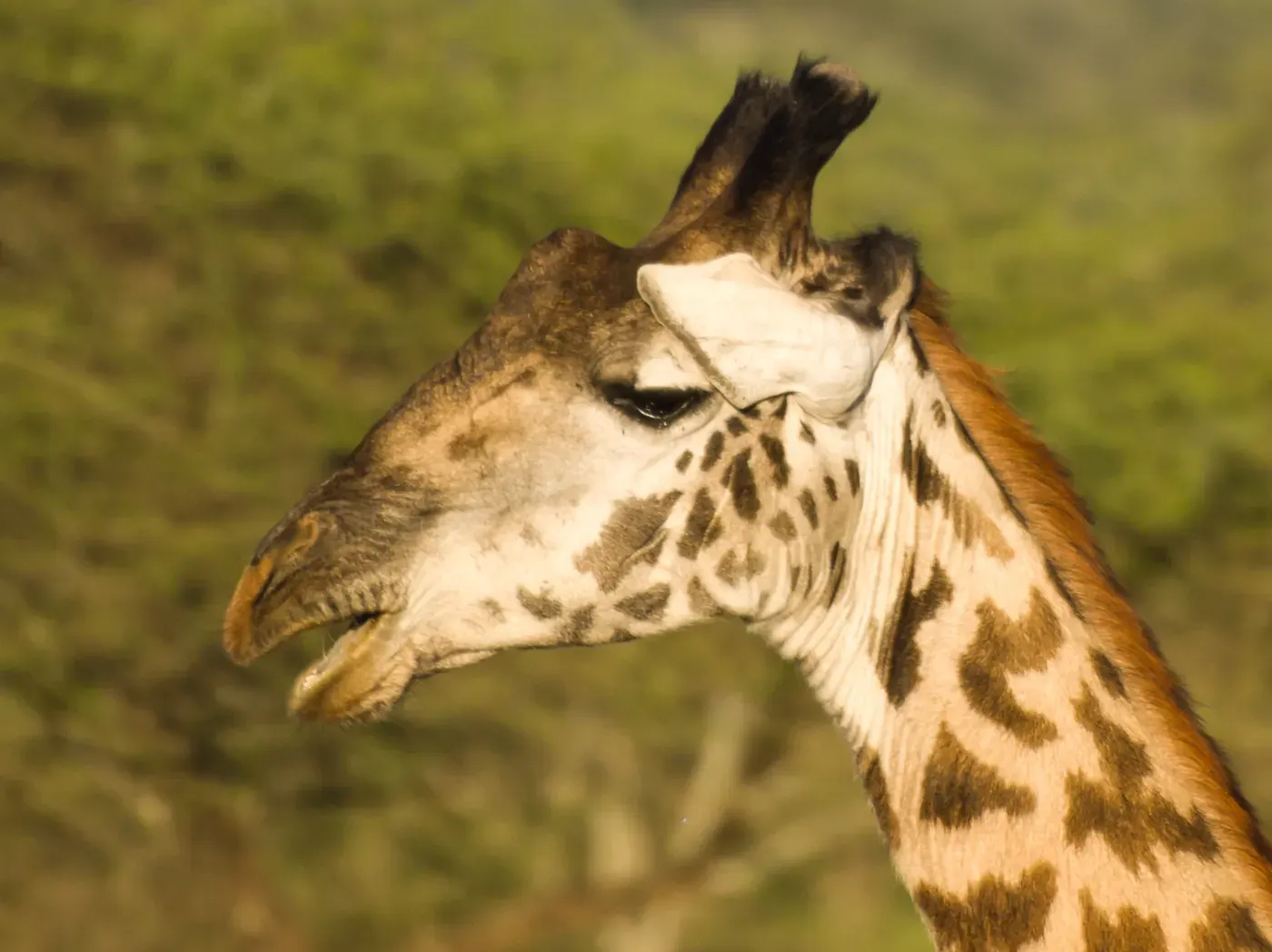
Spots on a Masai giraffe's neck and face, Giraffa camelopardalis tippelskirchi; neck spots have notched, lobed edges

Giraffe Spots: Are Patch Shapes Passed From Mother to Calf?

Stripes & Spots ·

Pattern
Dark, irregular spots on a pale coat, from nearly round with smooth edges to elongated with lobed or notched edges
Made by
growth: unresolved · reaction-diffusion: simulation-only
Picture credit

"Giraffe Close-up" by William Warby from London, England — https://commons.wikimedia.org/wiki/File:Giraffe_Close-up_(2405302450).jpg — CC BY 2.0 (https://creativecommons.org/licenses/by/2.0/); modified: resized to 1400 px on the long edge and saved as WebP

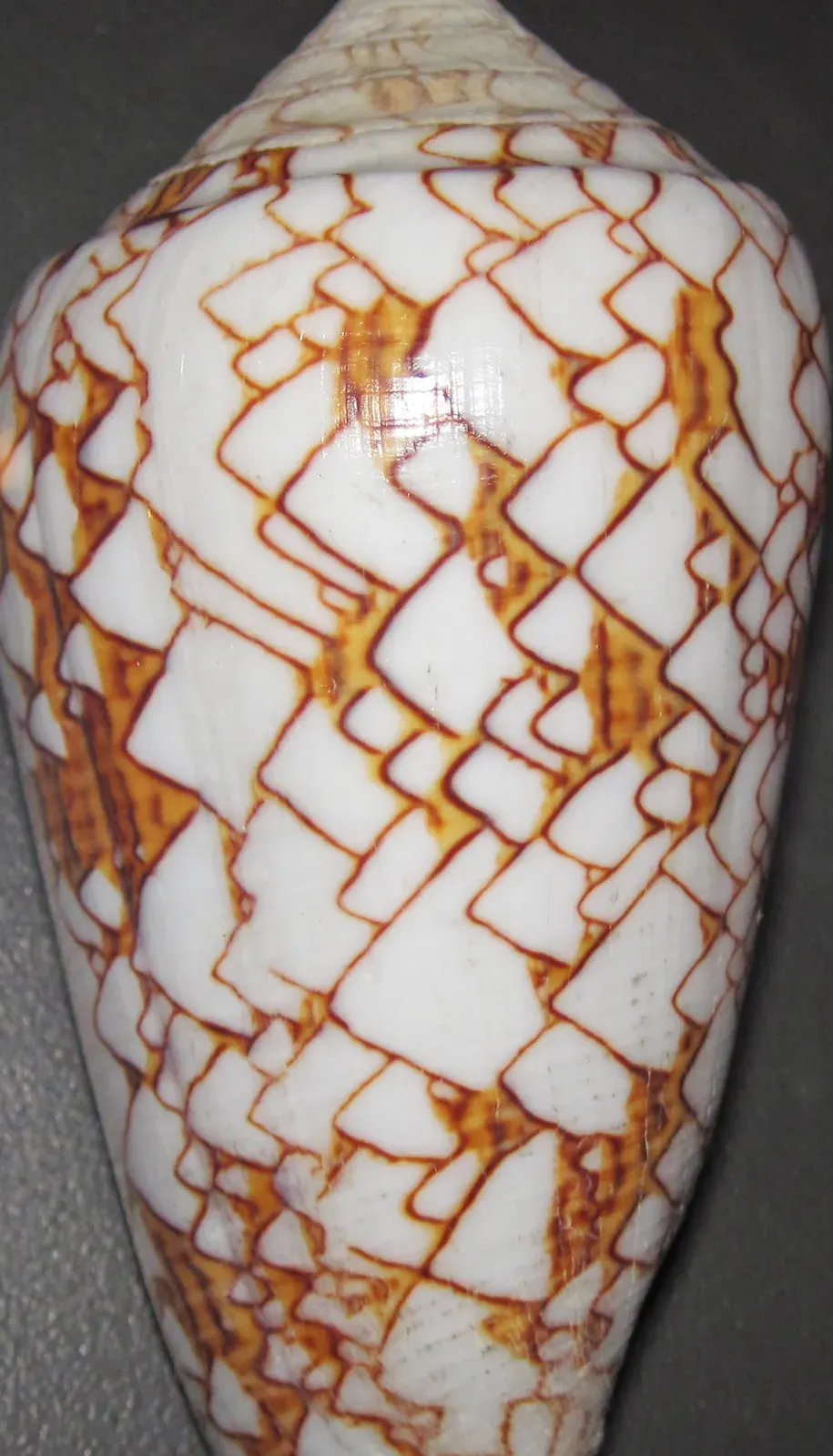
Cone shell pattern: the back of a Conus textile shell, covered in white tents outlined by thin brown lines

Cone Snail Shell Pattern: Laid Down One Row at a Time

Stripes & Spots ·

Pattern
Brown-edged tents and lines on the shell surface, laid down row by row at the growing edge
Made by
growth: established (Boettiger et al. 2009 [full text]) · reaction-diffusion: simulation-only (Boettiger et al. 2009 [full text])
Picture credit

"Conus textile (textile cone snail) 2" by James St. John — https://commons.wikimedia.org/wiki/File:Conus_textile_(textile_cone_snail)_2_(24425421465).jpg — CC BY 2.0 (https://creativecommons.org/licenses/by/2.0/); modified: cropped to remove the specimen label lettering at the top and bottom right and a speck at the left edge (box 73, 164, 1209, 2151 of 1243 x 2431), resized to 1600 px tall and saved as WebP

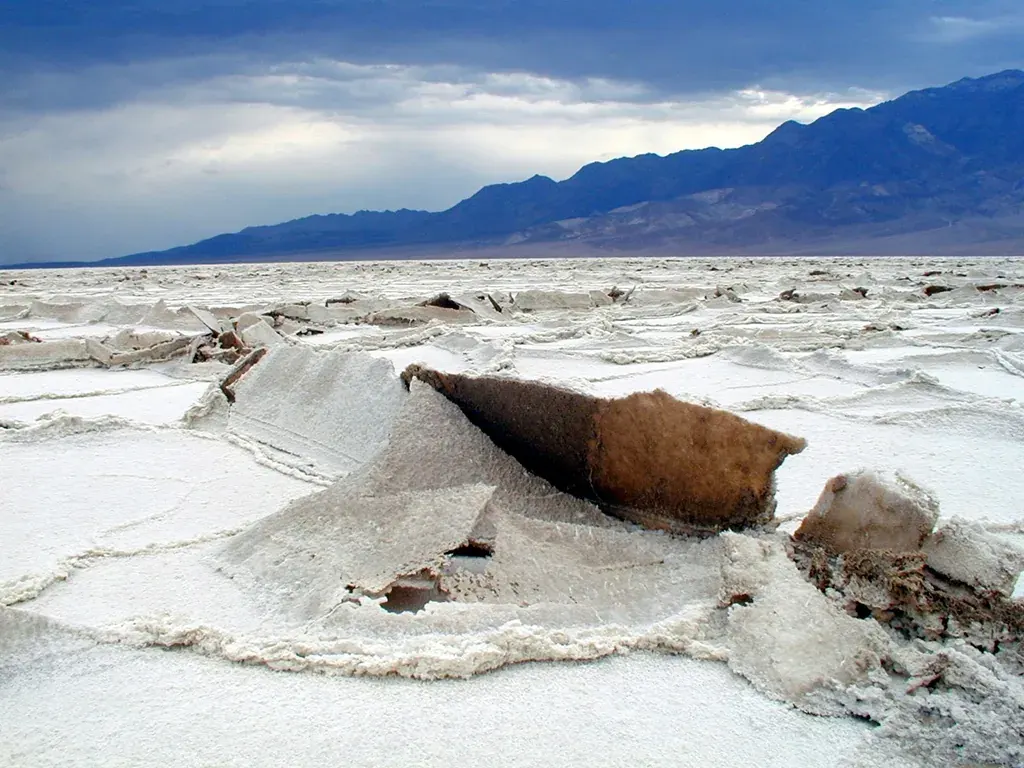
Salt crust at Badwater split into plates by raised ridges, a few slabs pushed up and tilted, with mountains behind

Salt Polygons: A 2023 Study Ties the Ridges to Brine Below

Tiles, Cracks & Foams ·

Pattern
Ridged, many-sided plates in the salt crust of dry salt lakes, mostly about 1-2 m across
Made by
growth: candidate (Lasser et al. 2023 [full text])
Picture credit

"Uplift on the salt flats, Badwater Basin" by National Park Service — https://commons.wikimedia.org/wiki/File:Uplift_on_the_salt_flats,_Badwater_Basin.jpg — Public domain (Work of a National Park Service employee made as part of official duties; public domain in the United States under 17 U.S.C. §105; outside the United States the Commons PD-USGov-NPS template is the only basis given; upstream not traced); modified: saved as WebP at the same 1024 x 768 pixels; no crop, no color change

Four families

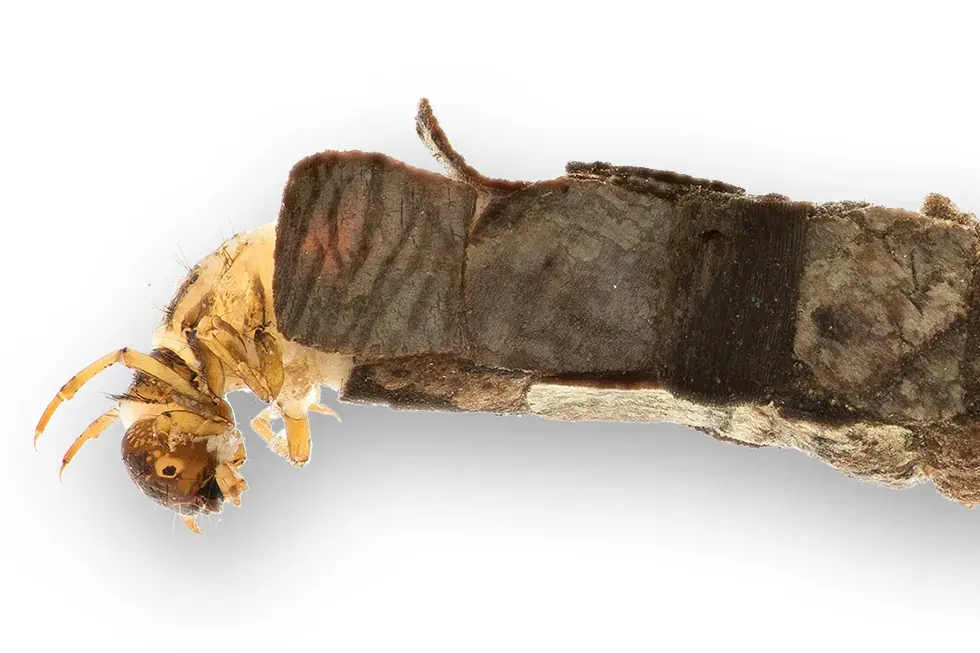
  • Caddisfly case: a Lepidostoma hirtum larva, head and legs out of the front of a long tube of flat brown plant pieces

    Combs & Cases

    Wax combs, paper nests, mud nests and the cases caddisfly larvae carry

    4 patterns; pictured: Caddisfly Case

    Picture credit

    "Lepidostoma hirtum larva" by Hallvard Elven, Naturhistorisk museum, Universitetet i Oslo — https://commons.wikimedia.org/wiki/File:Lepidostoma_hirtum_larva.jpg — CC BY 4.0 (https://creativecommons.org/licenses/by/4.0/); modified: cropped to a 3:2 frame around the larva and the front of its case (box 110, 40, 1090, 693 of 2000 x 808, from the original orig-Lepidostoma_hirtum_larva.jpg): the whole larva and about three complete case sections, with the rear of the case left out at the right; original not altered, saved as WebP at the crop's own size, 980 x 653, not enlarged

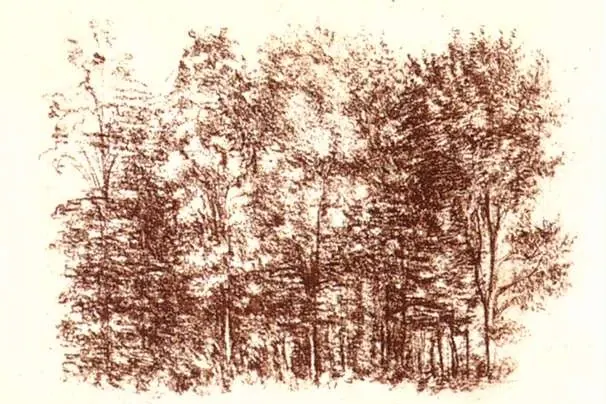
  • Birch copse in red chalk, attributed to Leonardo, about 1500: the drawn top of the sheet, thin trunks dividing into branches

    Branching

    Branch thickness, the levels of a Romanesco head, gaps between treetops and rewrite rules

    4 patterns; pictured: Tree Branching Pattern

    Picture credit

    "Birch copse (red chalk drawing, about 1500), upper part of the sheet" by Leonardo da Vinci — https://commons.wikimedia.org/wiki/File:Leonardo_da_vinci,_Birch_copse.jpg — Public domain (EU: Leonardo da Vinci d. 1519 per PG catalog record; US: published before 1931 (PD-old-100 and PD-Art on the file page); faithful reproduction via the Web Gallery of Art, upstream not traced); modified: cropped to the upper part of the sheet showing the copse (box 120, 0, 726, 404 of 726 x 919, about the top 44 %, with a little paper margin); original not altered, saved as WebP, not enlarged

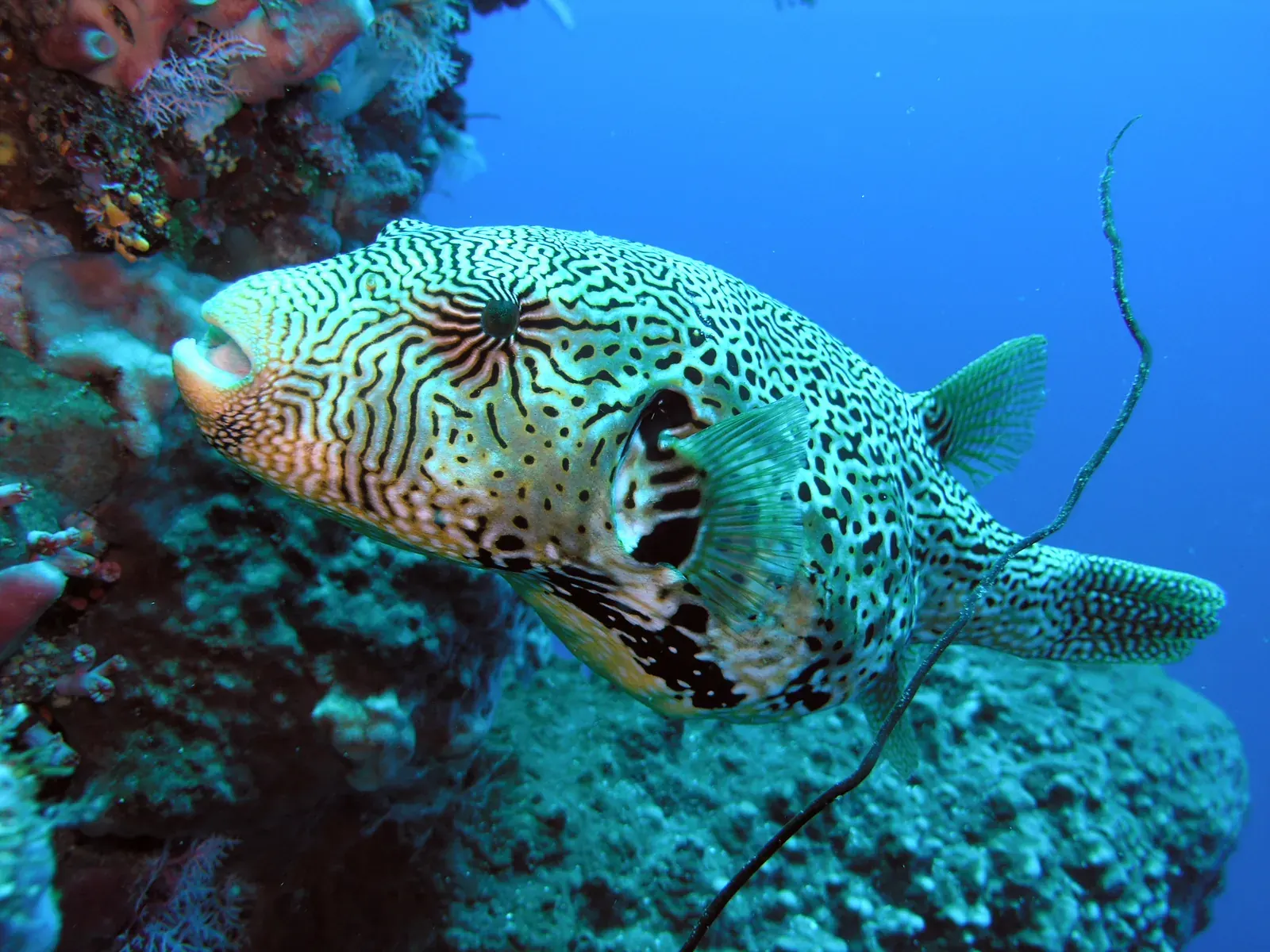
  • Maze-like lines that break into spots along a map pufferfish, Arothron mappa, beside a reef wall

    Stripes & Spots

    Reaction-diffusion models, zebra stripes, giraffe patches, fairy circles and cone shells

    5 patterns; pictured: Turing Patterns

    Picture credit

    "Arothron mappa" by Jens Petersen — https://commons.wikimedia.org/wiki/File:Arothron_mappa.JPG — CC BY 2.5 (https://creativecommons.org/licenses/by/2.5/); modified: resized to 1600 px wide and saved as WebP

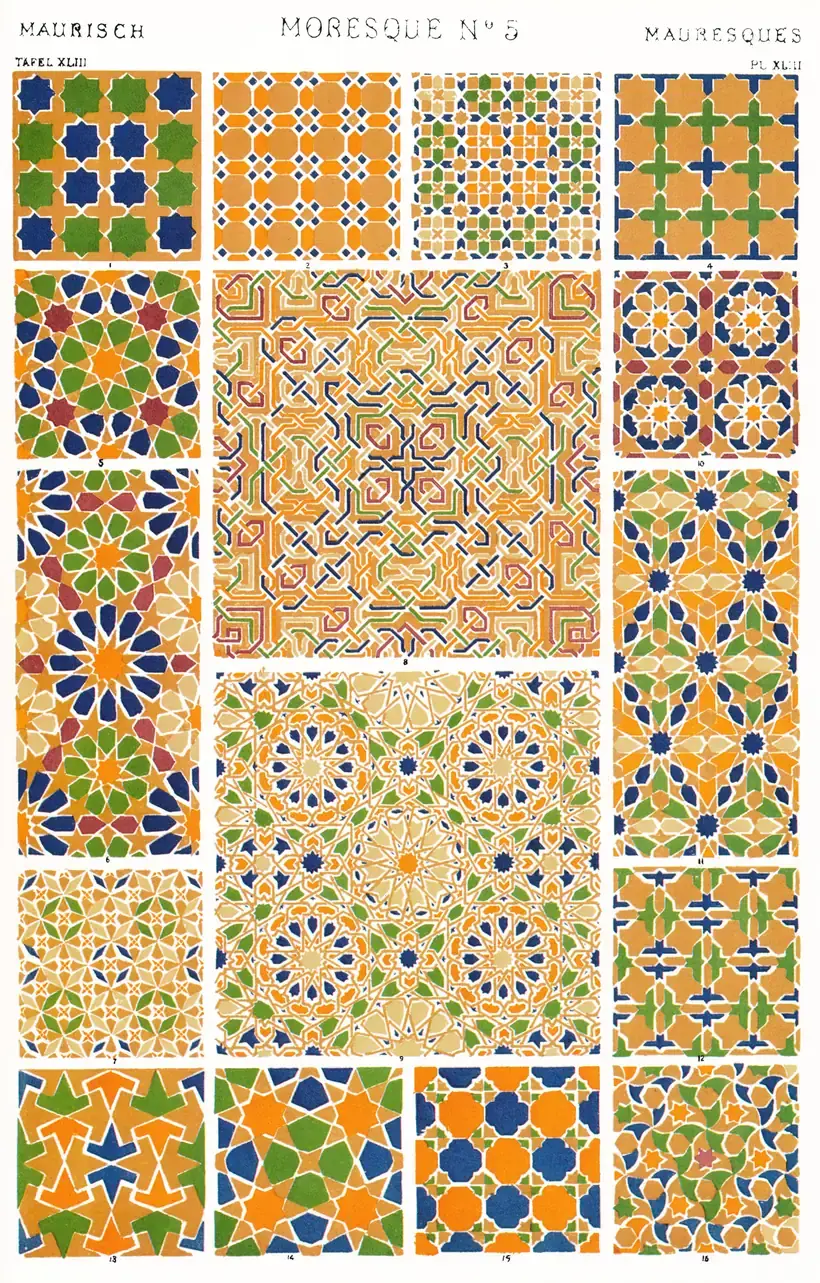
  • Moresque patterns: plate 43 of The Grammar of Ornament, sixteen numbered panels of stars, crosses and interlaced bands

    Tiles, Cracks & Foams

    Alhambra symmetry counts, mud cracks, soap films, Voronoi cells and salt crusts

    5 patterns; pictured: Alhambra Patterns

    Picture credit

    "Plate 43, The Grammar of Ornament (1868)" by Owen Jones — https://commons.wikimedia.org/wiki/File:Owen_Jones_-_Grammar_of_Ornament_-_1868_-_plate_043_-_300ppi.jpg — Public domain (EU: Owen Jones d. 1874 per library catalog record; US: published before 1931 (1868); scanned from a later reprint of the 1868 folio edition, according to the file page); modified: whole plate resized from 2433 x 3807 to 820 x 1283 pixels and saved as WebP

Also in the families: Mud Dauber Nest (Combs & Cases).

Same rule, different bodies

Each page ends by naming another body where its rule turns up. The pairs are sorted by what links them: a mechanism shown to be shared, a candidate mechanism, a model that only draws both, or the same geometry from different causes.

Search the patterns

Looks through the titles, summaries and family names on this page. What you type stays in your browser.

    Searching needs scripts. Every pattern sits in one of four families: Combs & Cases, Branching, Stripes & Spots, Tiles, Cracks & Foams.